

Dahlia tuber sales: If you’ve ever participated in one, especially when you’re chasing those coveted, hard-to-find varieties, you already know things can get a little wild.
Sales open, carts fill instantly, websites slow down, and within minutes the variety you were hoping to snag is suddenly sold out.
It can feel chaotic. It can also be kinda fun (see actual footage of me here).
Over the years, I’ve developed a system that helps me consistently get many of the dahlias on my wishlist (often the most sought-after varieties) and do it in a way that feels organized instead of stressful.

This process might look detailed at first glance, but the beauty of it is that each step builds on the last. Once everything is set up, the system practically runs itself, with reminders and preparation steps built in so you can move through sales quickly and confidently.
Instead of scrambling in the moment, you’ll already know:
- Exactly which varieties you want
- Which suppliers carry them
- When each sale opens
- And how to check out as efficiently as possible
In this post, I’ll walk you through the exact process I use each year to prepare for dahlia tuber sales and dramatically improve my chances of securing the varieties I want.
In this article you’ll learn:
- How to organize your dahlia tuber wishlist
- How to track suppliers and upcoming dahlia tuber sales
- How to evaluate dahlia sellers and listings
- How to prepare your browser and checkout process before a sale opens
- What to do during high-traffic dahlia sales
- How to track your purchases and avoid duplicate orders
- Bonus strategies like tuber trades and authorized distributor programs
While this system includes several steps, once it’s in place the process becomes surprisingly smooth. Also, it’s repeatable. Year after year.

A Repeatable System for Dahlia Tuber Sales
One of the biggest shifts that improved my success with dahlia tuber sales was realizing that this process works best as a repeatable yearly system, not a one-time scramble when sales begin.
Many growers approach tuber sales reactively. A farm announces a sale, and suddenly everyone is racing to figure out which varieties they want and how to check out before everything sells out.
Instead, I treat dahlia sourcing as a year-round process with a few key moments of preparation.
Throughout the year, I collect varieties that catch my eye. As fall and winter arrive, I refine that list and begin identifying suppliers who carry those dahlias. By the time sales begin, I already know exactly what I’m looking for and where I’m hoping to purchase it.
Because everything is organized in advance, the actual sale becomes the easiest part of the process.
This system allows me to:
- Keep a clear record of every dahlia I’ve grown
- Track upcoming supplier sales
- Focus on my top wishlist varieties
- Prepare for checkout before the sale begins
- Avoid duplicate purchases
- Build my collection intentionally over time
Once you set this system up, it becomes something you can reuse year after year. Each season you simply update your wishlist, add new sales to your tracker, and continue building your dahlia collection with far less stress.
Think of it less as winning a single sale, and more as building your dahlia collection strategically over time.
Let’s get started.
Create a Spreadsheet
While a spreadsheet isn’t strictly required, it makes this entire process far easier to manage. Think of it as your command center for dahlia tuber sales.
A spreadsheet allows you to keep track of:
- Your annual wishlist
- Upcoming dahlia sales
- Where specific varieties are available
- Every tuber you’ve ever purchased
Over time this becomes incredibly valuable, especially as your collection grows.
Personally, I maintain three main sections:
- A Wishlist for each year
- A Sales Tracker for upcoming supplier sales
- A Dahlia Master List of every variety I’ve ever purchased
If you’d like to use the exact spreadsheet I use, you can access the template here:
Dahlia Tuber Sales Tracker (this is also available on the dashboard).
As we go through each step, I’ll reference how I use the spreadsheet to keep everything organized.

Make a Dahlia Tuber Sales Wishlist
First up: make your wishlist.
This is honestly the most fun part of the entire process.
Matt (husband): Are you scrolling social media?
Me: No, I’m doing market research😬.
Depending on the time of year, I approach this in two slightly different ways.
Throughout the Year
This stage is very low-pressure and unstructured. Whenever I see a dahlia that catches my eye, I simply save it somewhere so I don’t forget it later.
For example:
- On Instagram, I keep a folder called “Dahlia Sources”. If someone posts a variety I love and the name is identified, I save it there.
- I also keep a simple list on my phone for varieties I encounter outside social media.
- And of course, I add them directly to the Wishlist tab in my spreadsheet whenever I am browsing the internet.
At this stage, I don’t overthink anything. The goal is simply to capture inspiration quickly when you see it. Deeper research can happen later.
Fall and Winter Research
Once the growing season winds down, I spend more time refining my wishlist. This usually includes:
- Browsing dahlia books
- Researching varieties online
- Revisiting Instagram saves
- Exploring supplier websites
Two excellent resources if you’re just starting your dahlia collection are:
- Discovering Dahlias by Floret
- Floret Dahlia Library
There are a ton of varieties to get you started!
I’ll also revisit growers who posted varieties I liked earlier in the year and check their websites to see what else they offer.
You can always browse our listings here as well. Tip: During sale season, we only list varieties we are actively selling, but during the off-season our site includes many more varieties.

Consolidating Your Dahlia Wishlist
Eventually, I consolidate everything into a single master wishlist in my spreadsheet. At this stage I start doing a bit more research on each variety. I’m asking questions like:
- Is the original photo I saved representative of the variety overall? In other words, if I do a quick Google Search, do I still like it?
- Does the plant have good height for cutting?
- Is it known to be productive?
- Does it perform well as a cut flower?
- Is it rare and/or highly sought after?
I’m not doing a deep academic dive here . . . just a quick reality check to make sure the variety will work well for my farm. For example, I try to avoid varieties that are extremely short.
I often include notes like:
- Plant height
- Bloom size
- Productivity
- Color variations
Sometimes I’ll include a photo directly in my spreadsheet. In the spreadsheet template, I included my own photo as an example. Usually though, I don’t have my own photos for my wishlist items. For these, I’ll simply grab one from the internet for reference since the spreadsheet is only for my personal use.
If the photo came from a specific supplier, I immediately note that in the Suppliers column. That doesn’t mean I’ll necessarily buy from them, but it helps me remember where I originally saw the variety.
Because a dahlia lover’s wishlist can grow very long, I also mark my Top Wishlist varieties with an X. This helps me stay focused on the varieties I most want to secure during sales.
Once the list is finalized, I begin searching for suppliers who carry each variety.
Finding Sellers
Once you know which varieties you want, the next step is identifying suppliers who sell them. At this stage I’m simply finding possible sellers, not deciding where I’ll buy just yet.
As noted earlier, if the original photo came from a grower who sells tubers, I’ll add them to the list. If not, I check Dahlia Addict, which is a database of dahlia varieties available for mail-order sale in the US and Canada.
I’ll also do a quick Google search. Many wonderful small farms don’t list on Dahlia Addict, so this step often uncovers additional suppliers.
Once I find sellers carrying a variety I’m after, I move on to evaluating whether I want to purchase from them.
Determine if You Want to Purchase from Them
Before we go any further, it’s important to say this: I have ordered from both tiny farms and very large commercial operations. I’ve received excellent plants from both . . . and unfortunately, I’ve also received diseased plants from both.
I don’t find it helpful to demonize any particular type of supplier. Most growers genuinely want you to have a positive experience and no one is immune from mistakes.
There is also inherent risk any time that you order live plants (dahlias or otherwise). When it comes to dahlias: According to the American Dahlia Society virus research, an estimated 87 percent of healthy, asymptomatic dahlia plants carry at least one dormant virus. One study found that 38 percent of clean stock planted from previously negative-tested plants in 2016 tested positive in 2017.
Those numbers tell us that even in the best case scenarios, disease still happens (i.e., free of disease one year, positive the next). While there is inherent risk regardless of where you purchase, there are a few things I personally consider when choosing where to buy.
For example:
- Are they the producer or a reseller?
(Resellers are not inherently bad, but they have little control over production. I prefer to support small farms who are producing their own, because it truly makes a difference in their lives.) - How long have they been selling dahlia tubers?
(I love supporting new growers, but I also understand the learning curve involved and understand the risk. I usually stick a few tried-and-true, while supporting some newbies.) - Do they have clear policies and terms?
This is more important than most people realize (see Review Polices & Terms Section below). - What is the overall vibe of their business?
Yes, really. I’m doing a vibe check.
I’m reading what they write, how they communicate, and what they share on social media. In my experience, how someone does one thing is how they do everything.
Finally, and most importantly to me: I’m carefully reviewing their photos and listings (keep reading for what I’m specifically looking at).
Review Photos and Listings for Clues
Am I looking for professional photos? No, absolutely not.
A beautifully styled photo doesn’t guarantee a healthy tuber (though it doesn’t hurt, haha). In fact, an otherwise great grower may not care about photography at all.
Instead, I’m looking for clues about how the plants are grown. Some things I consider include:
Do they have a photo of the variety (and/or is it their own photo)?
Photographing every dahlia variety is a tremendous amount of work. Even as someone who loves photography, I miss a few every year.
Personally, we don’t sell any dahlia we haven’t photographed ourselves. But I have occasionally purchased varieties without photos in good faith.
Still, I ask myself:
- Is the variety correctly identified?
- Did the plant actually flower?
- If it didn’t flower, why?
If a variety never flowered, it may have been a late producer or an unhealthy plant. Neither of which I’m excited about purchasing.
Are the photos correctly labeled?
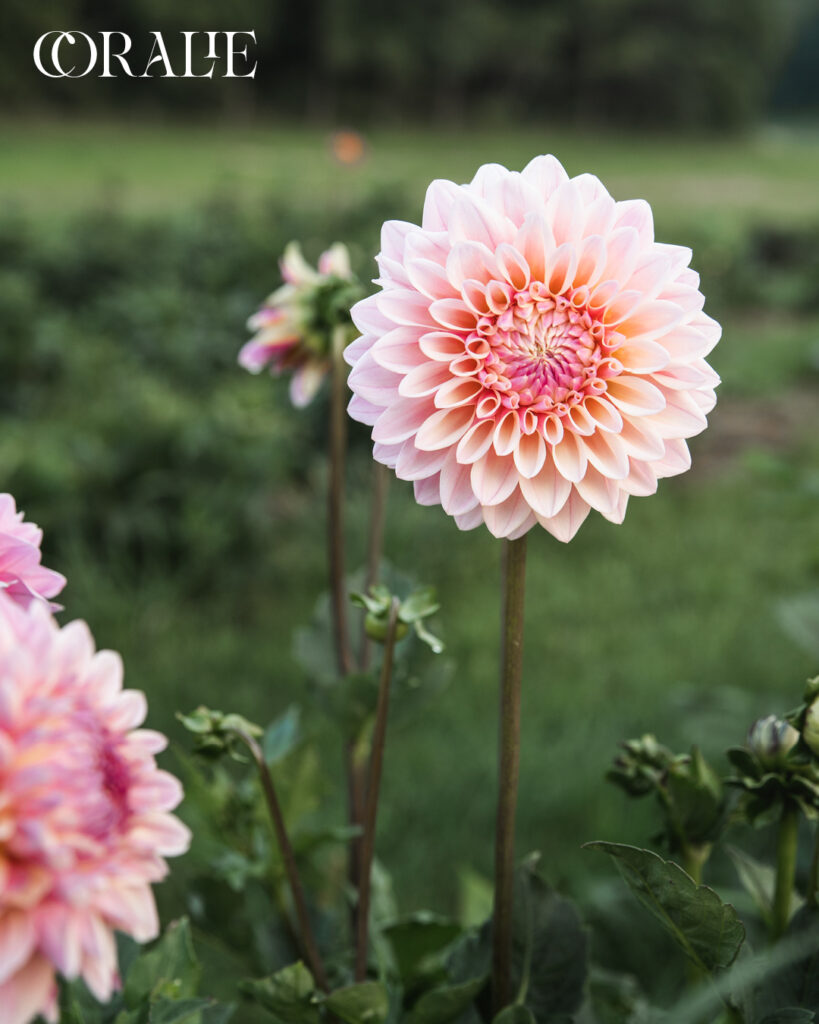
Misidentification does happen (even to me). I’ve personally received many “Coralie” tubers before finally receiving the real Castle Drive. I’ve also received numerous incorrect Cupcake and Venus tubers. The widespread sharing of dahlia photos online has reduced this problem significantly, but it’s still worth keeping an eye out.
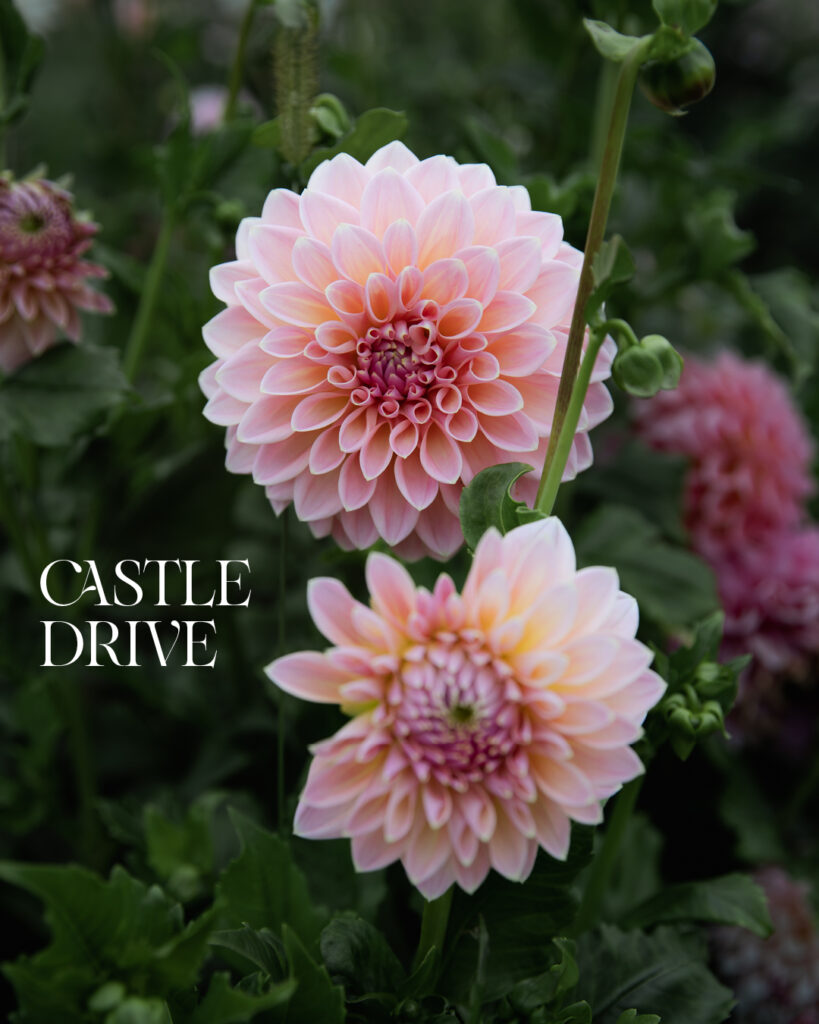
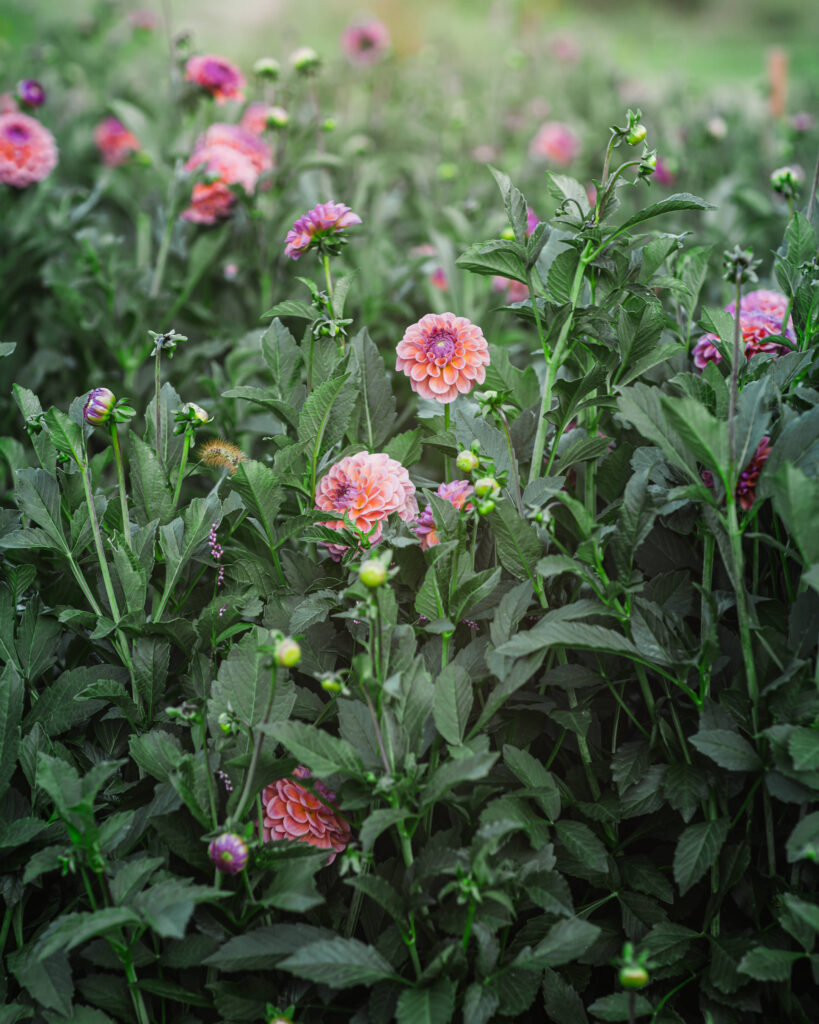
Do the plants look healthy?
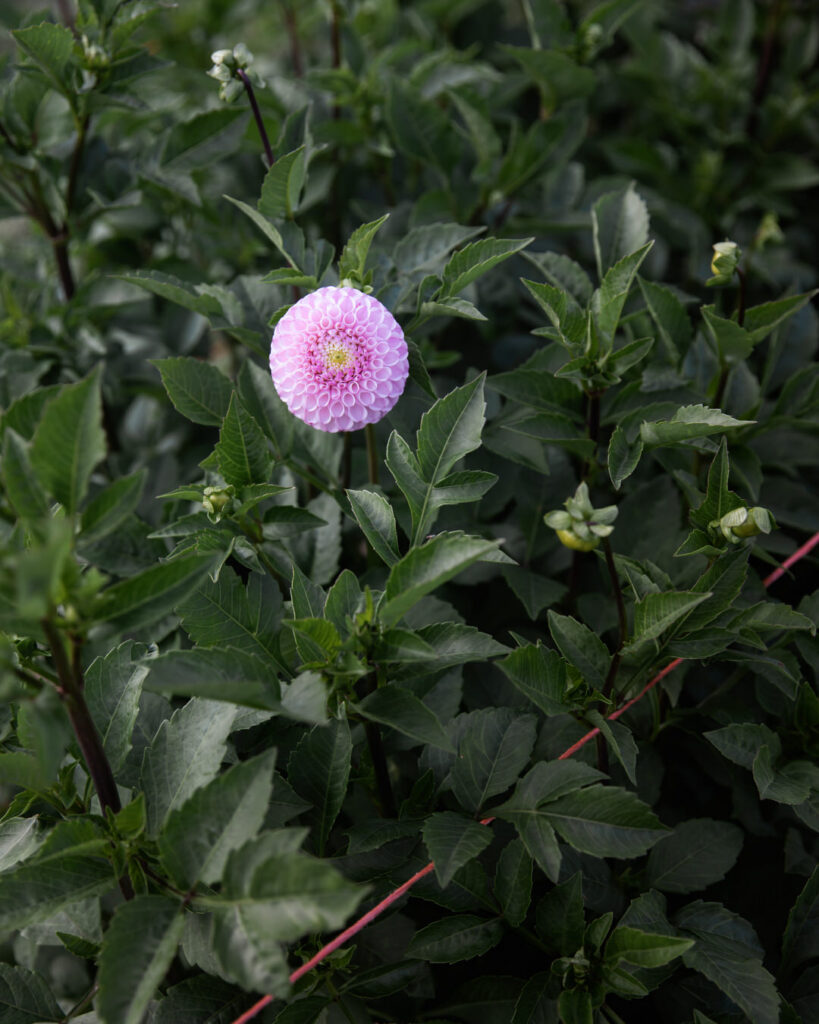
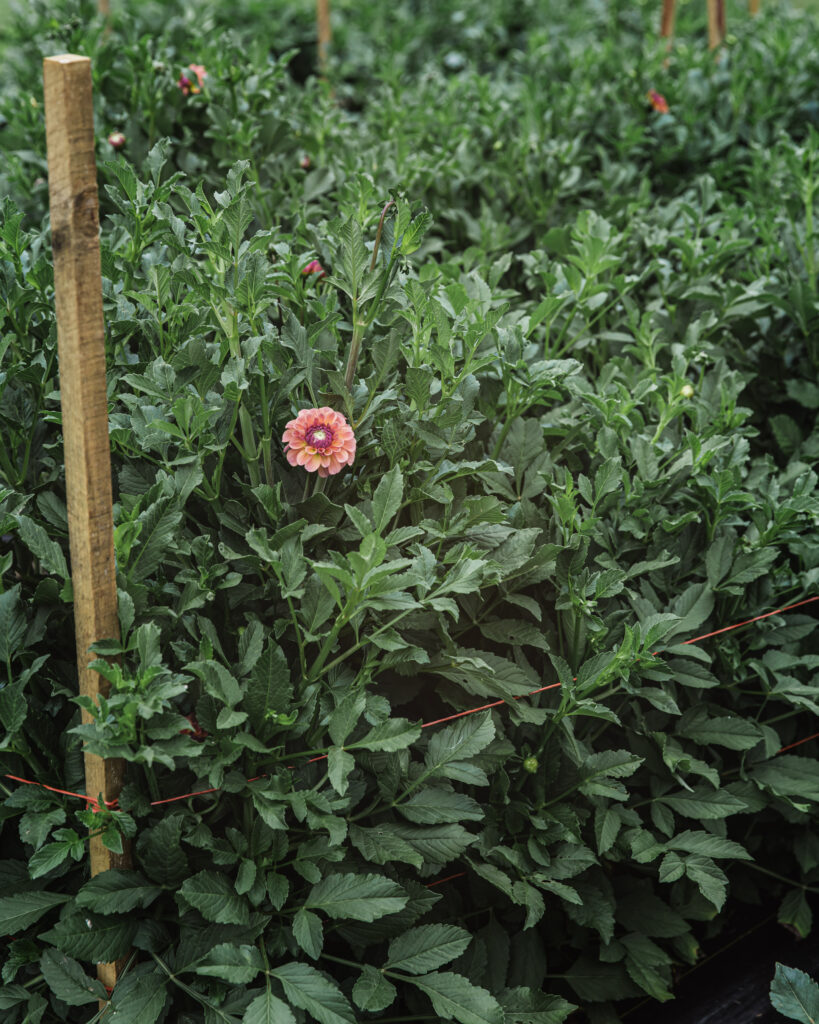
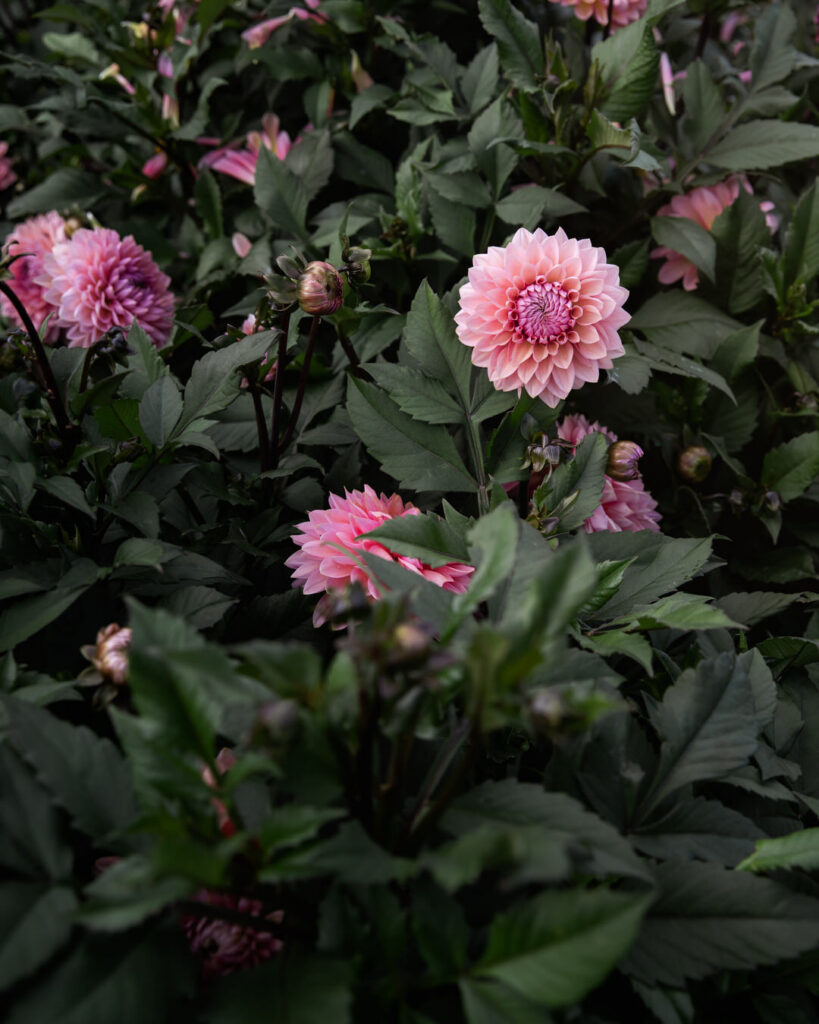
This is the *biggest clue* I’m looking for. The listing might be for a unicorn variety, but does the plant actually look good?
- Is the plant vigorous or stunted?
- Do the flower petals look normal or is the bloom deformed?
- Are the leaves lush and healthy?
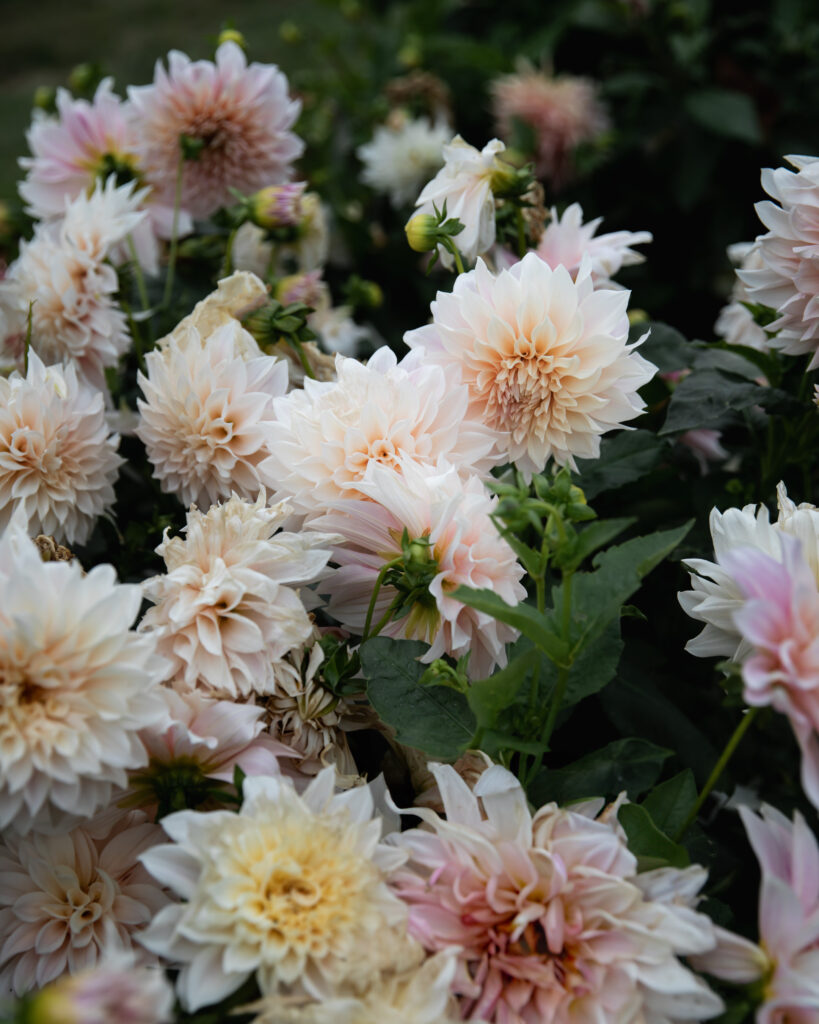
Sometimes, I’m looking at the foliage even more than the flower! While I love a good handful photo of dahlias, I prefer when I can see a photo of the plant growing. While I can look past some pest damage or a little powdery mildew, I’m a hard pass on sickly looking foliage and plants.
What about the listing descriptions?
A thoughtful description goes a long way with me. I’m not looking for perfect grammar or award-winning writing, but when someone takes the time to write about a variety, it tells me they care about what they’re producing.


Review Policies and Terms
Reading policies might feel boring, but it can reveal a lot about a grower’s experience and professionalism.
Clear policies often indicate that the grower understands:
- Dahlia diseases
- Sanitation practices
- Shipping logistics
- Customer expectations
I usually check things like:
- Their shipping rates (hard pass on $18 for one tuber)
- Refund or replacement policies
- How they handle crop failure
- Whether they combine shipping
For example, I personally don’t love paying $18 to ship a single tuber. Shipping tubers is expensive and complicated (trust me), but I’m still evaluating whether the pricing structure feels reasonable.
We’ve found tiered shipping is often the fairest approach. If shipping is free or combined, I also consider whether that cost has simply been built into the tuber price (and if so, if it’s reasonable). But sometimes? If it’s a MUST HAVE, I admit that all my rules occasionally go out the window🤣.
While reviewing policies may not be glamorous, experienced growers almost always have clear and thoughtful terms.
As a fun aside, when Kristine Albrecht (breeder of KA dahlias) reviewed our policies and personally sent a kudos, I considered that one of the highest compliments we could receive (I had no idea she’d be looking at them).
You can view our policies here.
Join Newsletters
Once I decide I want to purchase from a supplier, I immediately subscribe to their newsletter.
If your inbox is anything like mine, the last thing you want is another email, but this is the number one way to stay informed about upcoming dahlia sales. Many suppliers even have secret, password-required sales for subscribers only, early sales, giveaways, and more.
Most growers only send a few emails per year, usually focused on sale announcements and reminders.
Once you’re subscribed, you can simply wait for the announcements to arrive. Set it and forget it.
Create a List of Sales and Set Alarms
As suppliers announce their sale dates, I add them to my spreadsheet, which is filterable by date.
A few days before each sale, I begin preparing for the big day.
Review the Preview, Create Accounts, and Prepare Your Browser
This step may sound complicated, but it’s actually one of the most important parts of winning competitive dahlia sales.
If a supplier allows it, I create an account on their website ahead of time and save my shipping address and payment information.
If not, I make sure my payment details are saved on my devices, so checkout can happen quickly.
Next, I review the sale preview and open each variety I want in its own browser tab. This is an important step, because it allows those pages to load ahead of time, so I don’t have to scroll through the entire website once the sale begins.
I also keep one separate tab open to the main sale page. The entire purpose of this tab is to refresh the page prior to the sale, so that I know when it is officially open (more on this below).
Note whether or not varieties have limits. If they do, they’ll likely say something like “Limit 1” or “Limit 2.” These are good indications that there are not a lot of a variety. If you must have it, consider checking out with only that item and then going back to purchase more. Also, respect the limits or you risk your entire order being cancelled.
If a seller offers combined shipping, I make sure I understand the process. Some require a code to be entered at checkout, while others automatically apply a discount (or issue a refund), so long as the order details are the same. Each supplier is unique, so be sure to review their policies.
Finally, I set two alarms:
- One for 10 minutes before the sale
- One for 1 minute before the sale
The first gives me time to get to my computer if I’m outside working on whatever else. The second tells me it’s go time (I’m easily distracted).

During the Sale
Just before the sale begins, I navigate to the main sale page . . . NOT the individual listings. If the site is password protected before launch, refreshing individual product pages can sometimes redirect you to the password page and break your direct link.
For this reason, I refresh the main sale page until the site goes live.
Once the sale opens, I move quickly through the product tabs I already prepared. Hit refresh (only once the site is live) and the Add to Cart button should be available. If a variety is limited, I may only check out with one or two items and then go back for more. Sometimes I gamble and try to add everything on my list at once. The decision is yours (and may the odds forever be in your favor😆).
And then I cross my fingers.
I only consider a tuber secured once I have successfully checked out and received a confirmation email.
If the site crashes or stalls, there’s usually very little a supplier can do. Sometimes thousands of people are trying to purchase the same variety at the same time. For example, during our own sales we’ve seen hundreds of tubers of a single variety sell out in minutes.
While we always want to have enough to share, some become hot commodities in certain years. And speaking from experience, sometimes it’s surprising which ones go the fastest! Sometimes one we think will be a sleeper sells out in minutes, while one we think will be popular is available for weeks. The dahlia market changes quickly.
If You Didn’t Get What You Wanted
If you miss out on a wishlist variety, I recommend returning to the site and browsing what is still available.
I do this all the time.
Sometimes fantastic varieties remain available simply because they produce abundant tubers and therefore aren’t as scarce. Other times I grab something lower on my wishlist or try a variety I hadn’t considered before. This is also a great way to qualify for future customer-only sales, which some farms offer exclusively to previous buyers.
Record Your Purchases
After every successful purchase, I immediately record the variety, supplier, and purchase year on the Dahlia Master tab on my spreadsheet.
This helps me:
- Track what I’ve already purchased
- Avoid duplicate orders
- Confirm that I receive everything I paid for
Because I purchase a lot of tubers, there have been years where tubers were never delivered. These were honest mistakes, but keeping records allowed me to catch them quickly.

Common Mistakes That Cause People to Miss Out on Dahlia Tubers
Even with preparation, it’s surprisingly easy to miss out on a variety during a competitive sale. Over the years, I’ve noticed a few common mistakes that can dramatically reduce your chances of success.
The good news? They’re all easy to avoid once you know what to look for.
Waiting until the sale starts to browse.
If you’re scrolling through a supplier’s listings once the sale opens, you’re already at a disadvantage. Popular varieties can sell out in literal seconds, especially if a supplier doesn’t have many tubers available. Always review previews ahead of time and open the varieties you want in separate browser tabs.
Not creating an account ahead of time.
If a website allows you to create an account and save your shipping information, do it. Entering your address and payment details during a high-traffic sale can cost valuable seconds.
Trying to buy too many varieties at once.
It can be tempting to fill your cart with everything on your wishlist, but this can slow down checkout. Focus on your top wishlist items first. Once you’ve secured those, you can always return and browse what remains. Tip: Many growers will say in the listing if they don’t have many to share (I do) or limit the amount one can purchase. If that variety is on your must-have list, consider only checking out with that one item.
Refreshing individual product pages.
If a site is password protected before the sale opens, refreshing individual listings can sometimes redirect you to the password page. Instead, refresh the main sale page until the site goes live, then navigate to your prepared tabs.
Not setting alarms.
Life is busy. Without a reminder, it’s incredibly easy to miss a sale window entirely. I always set alarms for 10 minutes before and one minute before a sale begins so I have time to get settled at my computer. If you calendar apps like Google Calendar, this is another good place. Whatever will remind you is best.
Avoiding just a few of these mistakes can dramatically improve your chances of securing the varieties you want.


Advanced Tips for Highly Competitive Dahlia Sales
Once you’ve participated in a few sales, you’ll start to notice patterns. A handful of small strategies can make a surprisingly big difference when you’re trying to secure popular varieties.
Use multiple devices if necessary.
If I’m particularly eager for a variety, I’ll sometimes have both my computer and phone ready. This gives me a backup if one browser freezes or stalls. Or if I forget about a sale and I’m out running errands, I can still use my phone (this happens to me a lot🙃).
Use multiple humans.
While I don’t typically do this, customers tell me all the time that they recruit their husbands, kids, siblings, parents, etc. to purchase dahlia tubers.
Prioritize checkout speed over browsing.
Once a variety is in your cart, your only goal is to check out as quickly as possible. Avoid browsing additional listings until your purchase is complete.
Understand which varieties are likely to sell out first.
New introductions, popular breeder varieties, and dahlias that are known to be poor tuber producers tend to disappear fastest. If one of these is on your wishlist, prioritize it.
Pay attention to supplier patterns.
Many farms follow similar sales patterns each year. Some release tubers in multiple waves, while others hold back small quantities for later sales or subscriber-only events.
Join memberships.
Some farms have memberships where you pay to participate in member-only sales. I’ve never done this, but many growers do so to better their odds!
Join newsletters. I repeat: Join newsletters.
So many farms do special things for subscribers only. Don’t miss out!
Remember that popularity changes.
One of the most fun parts of collecting dahlias is that trends shift from year to year. A variety that was nearly impossible to find one season may become widely available the next as more growers increase their stock. I used to stress about missing out on varieties. The longer I’ve been at this, the less I seem to care about scoring the unicorns. If not this year, next year.
In other words, if you miss out on a variety, don’t lose heart. With a little patience and preparation, you’ll likely have another opportunity soon.


Bonus: Trades
Some growers enjoy trading tubers with other collectors.
Trades can be a wonderful way to:
- Grow new varieties
- Save money
- Connect with other growers
Personally, I rarely do this simply because it’s another piece of logistics to manage, and our farm either sells or plants nearly all of our stock each year. But for many growers, trades are a fun part of the dahlia community.
Bonus: Become an Authorized Distributor
If you plan to have your own dahlia tuber sales, another option is becoming an authorized distributor for certain breeders.
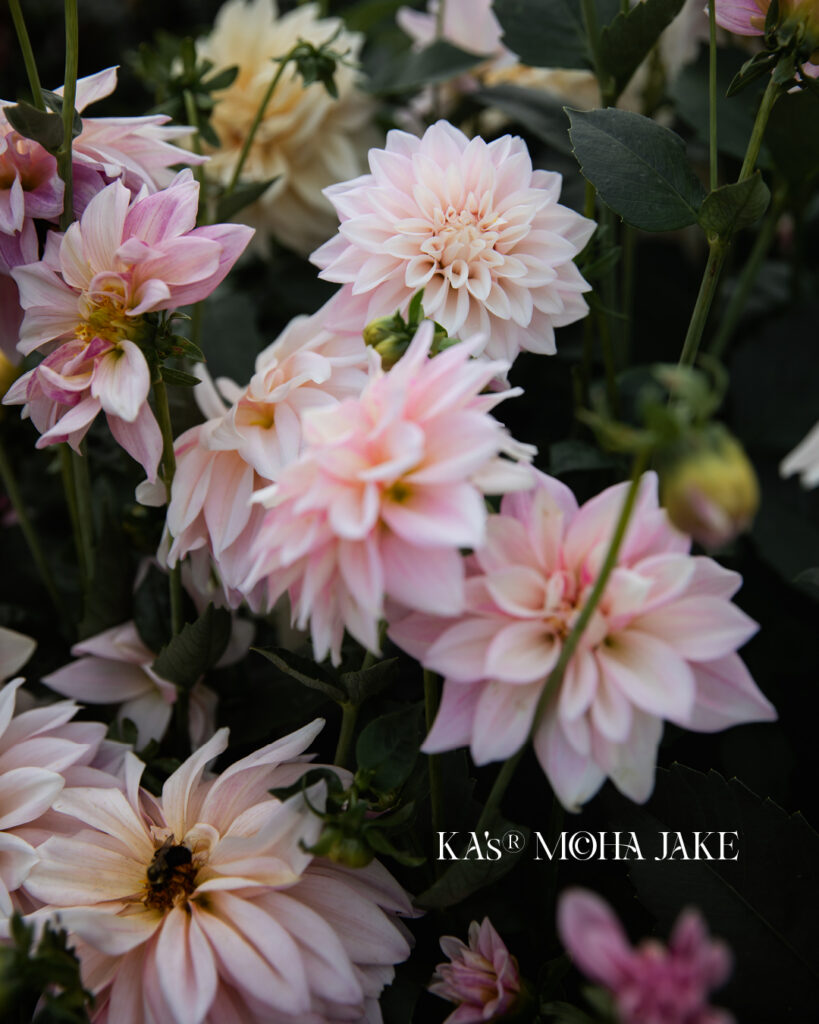
For example, breeders like Kristine Albrecht (KA Dahlias) and Hailey Sly (RM Dahlias) offer programs for farms who want to support their breeding programs.
We are authorized distributors for both. This means a portion of every sale goes directly back to the breeder, helping support the development of new varieties. In return, distributors are often able to purchase tubers or cuttings in advance and may receive other benefits as part of the partnership.
These programs typically involve formal agreements and specific terms. So far, I’m a huge fan.


Final Thoughts: Winning Dahlia Tuber Sales
At first glance, dahlia tuber sales can feel chaotic and unpredictable. But once you build a system for organizing your wishlist, tracking suppliers, and preparing for checkout, the entire process becomes far more manageable.
The goal isn’t to guarantee that you’ll secure every rare variety on your list. Instead, it’s about stacking the odds in your favor so you consistently walk away with more of the dahlias you love (and feel like you’re winning the dahlia tuber sales game).
Over time, this process becomes second nature. And honestly? Half the fun of growing dahlias is the anticipation of discovering and adding new varieties to your garden each year.
With a little preparation, you’ll be ready when the next sale opens.
And as I say before all dahlia tuber sales, ours or otherwise: May the odds forever be in your favor.


cLICK FOR Comments +